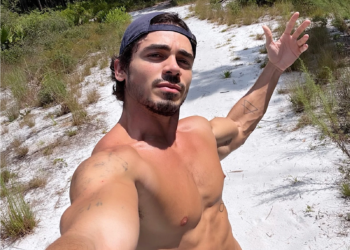




Riccardo Staudt was just another anonymous casualty when the ambulance arrived. “A young tourist was pulled out of a swimming pool,” the Daily Star initially reported, describing a generic tragedy before later identifying the body as Staudt, the 22-year-old German performer better known to OnlyFans subscribers as Noah Segsy.
He died in inches of water. The pool was “not particularly deep,” according to Cypriot media, yet Staudt drowned there on the evening of August 24, around 9:20 p.m., in an apartment complex in Paralimni, Cyprus. Emergency responders found him unconscious and rushed him to Famagusta Hospital, but “despite the rapid admission, doctors on site could only determine his death.” A post-mortem later confirmed what witnesses suspected: “drowning was Staudt’s cause of death.”
The Branding of Death
The machinery of internet fame works fast, even in tragedy. Initial reports identified him only as a “22-year-old German tourist” before the digital paper trail corrected the record. Within hours, the narrative shifted from anonymous vacationer to branded commodity. “German OnlyFans creator Riccardo Staudt, who was known online by the name Noah Segsy, has died at the age of just 22,” outlets clarified, acknowledging that his legal identity mattered less than his stage name.

Staudt understood the mechanics of digital desire. “Professionally known as Noah Segsy, Staudt had developed a following as an adult-content performer and creator, particularly among gay audiences,” cultivating over 200,000 followers who paid for the illusion of intimacy. His brand thrived on the paradox of modern pornography: total physical exposure coupled with absolute emotional opacity. Subscribers knew every contour of his body while knowing nothing of his emergency contacts, his fears, or his swimming ability.
Staudt’s friends have launched a fundraiser to pay the costs of repatriating him to his family in Germany. “More than €20,000 had been raised through hundreds of donations,” evidence that digital communities understand mortality primarily through crowdfunding metrics. The numbers are stark: €20,555 raised—approximately $23,737 or £17,589—to transport a body back to Germany and arrange its burial.
The Shallow Water Mystery
The investigation remains frustratingly opaque. “The exact sequence of the fatal accident also remains unclear,” authorities admit, while “the Paralimni police are investigating the circumstances of his death and further investigations are also underway.” The pool’s shallowness haunts the case—how does a healthy 22-year-old drown where he could presumably stand? “It is currently unclear whether other people were still at the pool at the time of the incident,” adding layers of speculation to an already murky narrative. Toxicology reports have been conducted, though “no reliable sources have confirmed findings,” leaving room for the internet’s favorite pastime: conspiracy without evidence.

What grips the imagination here is the collision between the curated physique and the corpse. Staudt’s content promised total control—precise lighting, flattering angles, performative pleasure. The pool offered none of those production values. “The circumstances surrounding Staudt’s death remain unclear,” yet the poetic irony is inescapable: a man who built his brand on shallow waters died in them, literally.
His final posts remain active, generating passive income for platforms or estate managers. The subscribers stay logged in, the content stays cached, and the comment sections fill with crying emojis and abbreviated condolences. “Police in Paralimni are continuing to investigate exactly what happened before he entered the water,” but Noah Segsy has already begun his second life as pure content—archived, searchable, and permanently 22.
The algorithm doesn’t mourn. It monetizes.