

Miguel Bernardeau knows exactly what he is doing. Sitting across from host Henar Álvarez on the Spanish talk show Al cielo con ella, the actor faced the inevitable question about his buzzy full-frontal shower scene in the historic epic La Bola Negra. Álvarez asked point-blank if any prosthetics were used on set.
“No,” Bernardeau quickly replied, laughing at the inquiry. But within a fraction of a second, the media-savvy star executed a flawless public relations pivot.
The Anatomy of a Viral Pivot
“Wait, wait! No, sorry. Yes, they have been used,” he quickly corrected himself. “I wear many kinds of prosthetics. What do you think? That the wounds are real? Do you seriously think the wounds are real?”

Álvarez replied with a simple, “Well played.”
The internet immediately fractured into two camps. Many fans are now convinced his initial denial confirmed the authenticity of the highly discussed scene, believing he only deflected to the film’s wartime body makeup to save face.
This calculated ambiguity is marketing gold for Los Javis‘ queer Spanish Civil War film. The movie is already shattering records, boasting the highest per-screen average for a Spanish feature following its debut weekend.

Selling Desire on Screen
For Bernardeau, the extreme vulnerability of the shoot was always part of the artistic draw. “It’s an intense movie,” he recently told Out magazine. “We had to invest ourselves emotionally a lot and that implies also nudity.”
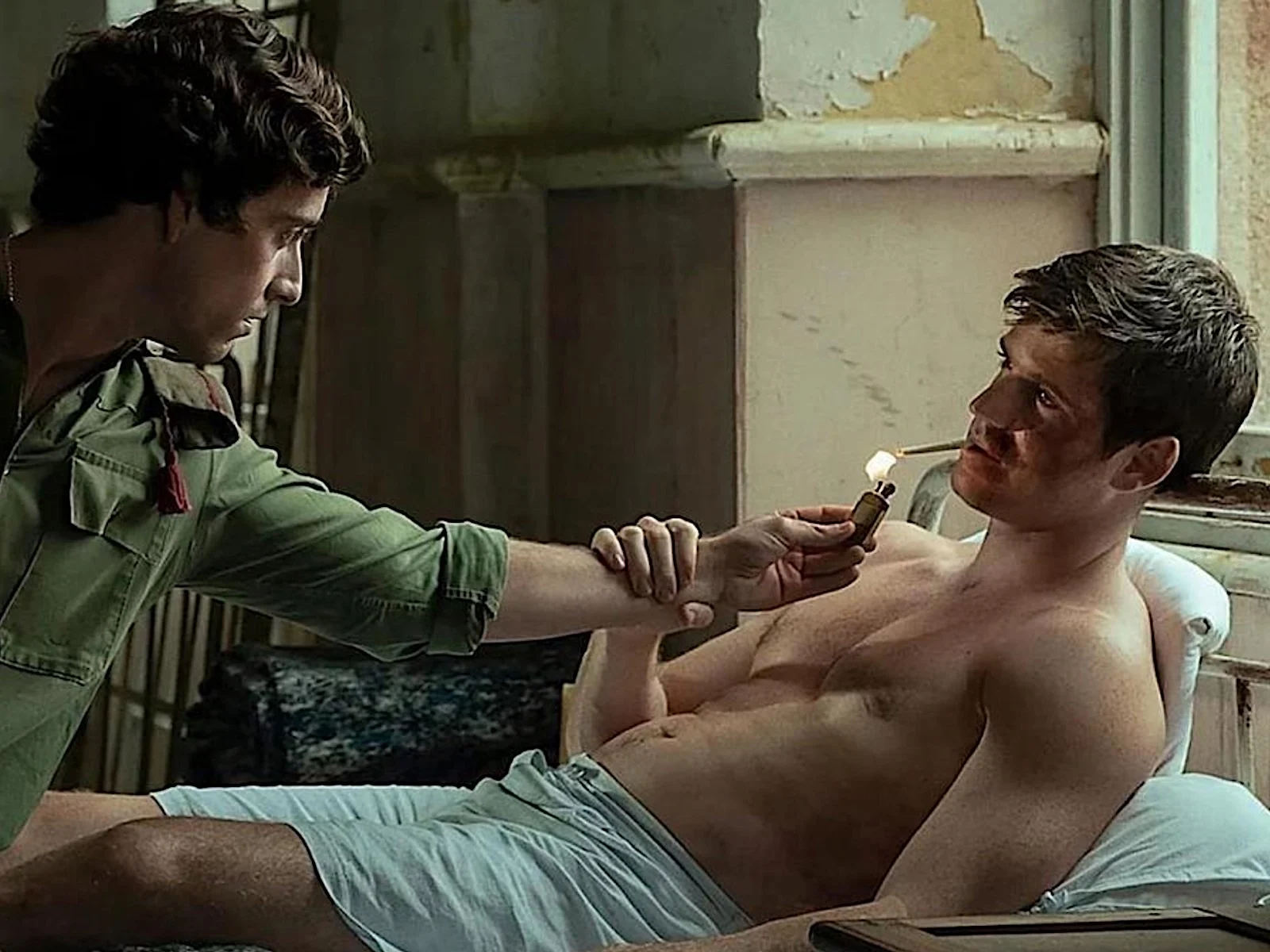
He plays Rafael Rodríguez Rapún, a mining engineer, footballer, and the secret lover of assassinated poet Federico García Lorca. “You have to show everything!” Bernardeau explained regarding the demands of the script. “This is the character I’ve been wanting to play since I started.”
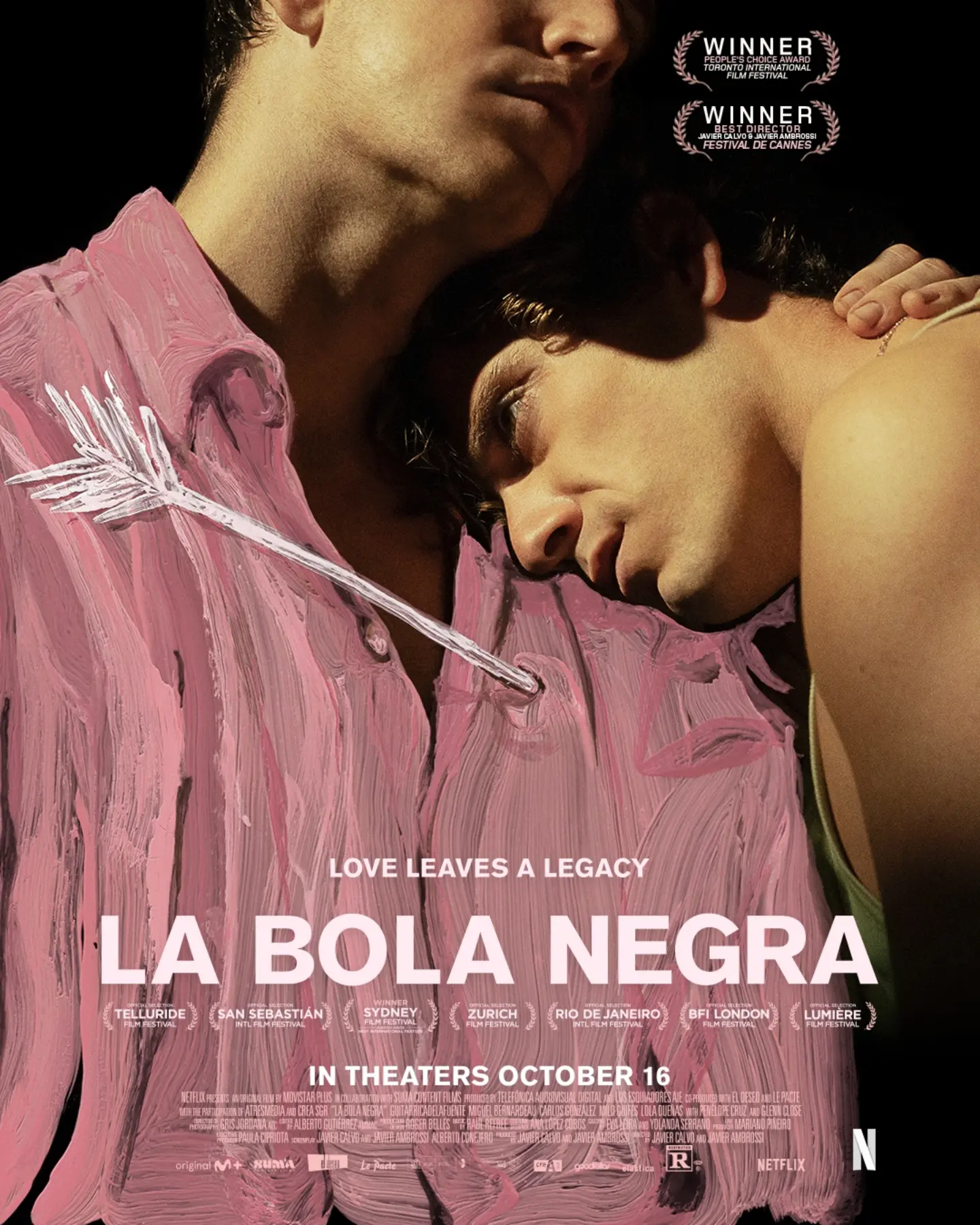
Director Javier Ambrossi fully backs this uninhibited, flesh-forward approach. “We wanted to do a movie about desire!” the filmmaker stated, defending the explicit nature of the romance. “You need all of those in order to create the point of view of the character, especially Sebastián.”

The shower scene itself, where Sebastián helps a wounded Rafael wash, pushes those cinematic boundaries. Bernardeau leans into the discomfort rather than shying away. “It gives you the space and possibility to get in those complicated scenes,” he said. “I was very stimulated by them.”
A Cathartic Campaign
Ambrossi also appreciates his straight leading man stepping into such a complex, marginalized role. “I totally get why straight actors want to play gay roles,” Ambrossi told Variety. “It’s their craft to portray people that are different from them. I’m not against that.”
The director noted that the historical context required an actor willing to explore deep hesitation. “[His character] Rafael was not an open gay man,” Ambrossi observed. “He was confused – someone that was not able to say what he wanted.”
“I guess Miguel is in such a good moment in his career that he wanted a challenge,” the filmmaker added.
Ultimately, the prosthetic debate only fuels the movie’s global momentum. Ambrossi’s vision for the project is clear: “I think I’m done with LGBTQ+ stories being niche. They are for everyone and we can prove that.”

Bernardeau echoes that crossover appeal while reflecting on the work. “We don’t need to make a gay movie,” the actor noted. “It’s just a movie in which the characters are gay. And that is a big thing for us in Spain and in the world.”
He credits the intense production with shifting his own perspective. It “changed my life forever,” he admitted. “Not only because of the success of the movie, but because this process has been very cathartic and has awakened a lot of things in me.”