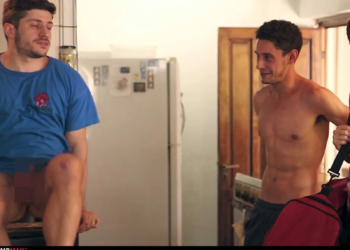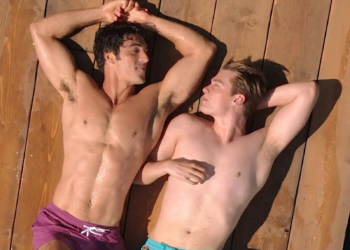



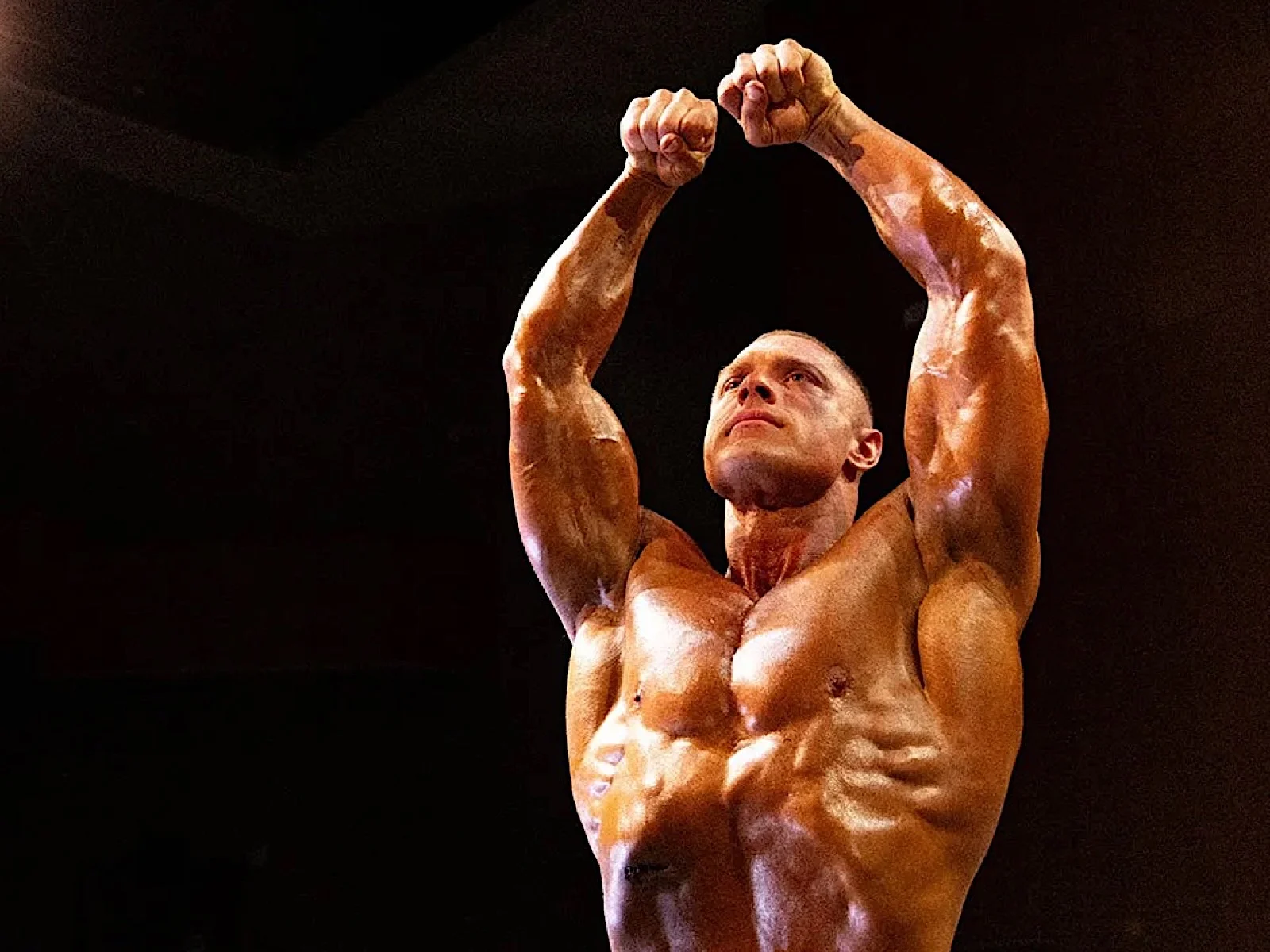
Brock Yurich spent more than a decade building Eddie Owens: the muscle, the screenplay, the pitch decks, the rejections. This week he got the call that made the rest of it worth it. Dark Star Pictures has acquired Test, the bodybuilding drama Yurich wrote and stars in, for U.S. and Canadian distribution, with a theatrical release planned for 2027.
“Telling Eddie’s story though my screenplay Test was all I could think about for the past 10 years,” Yurich told Variety. “Making an independent film is a long painful process, but I knew the pain of giving up on it would be far greater.”
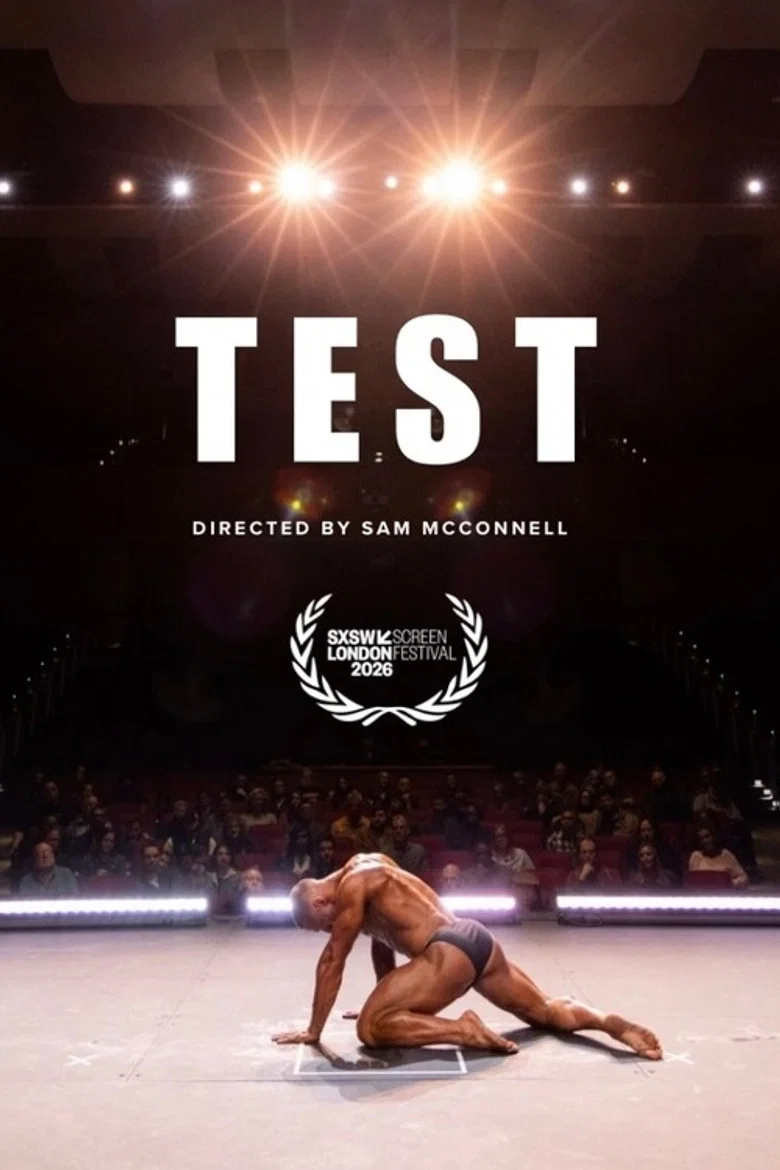
Ten Years of Prep
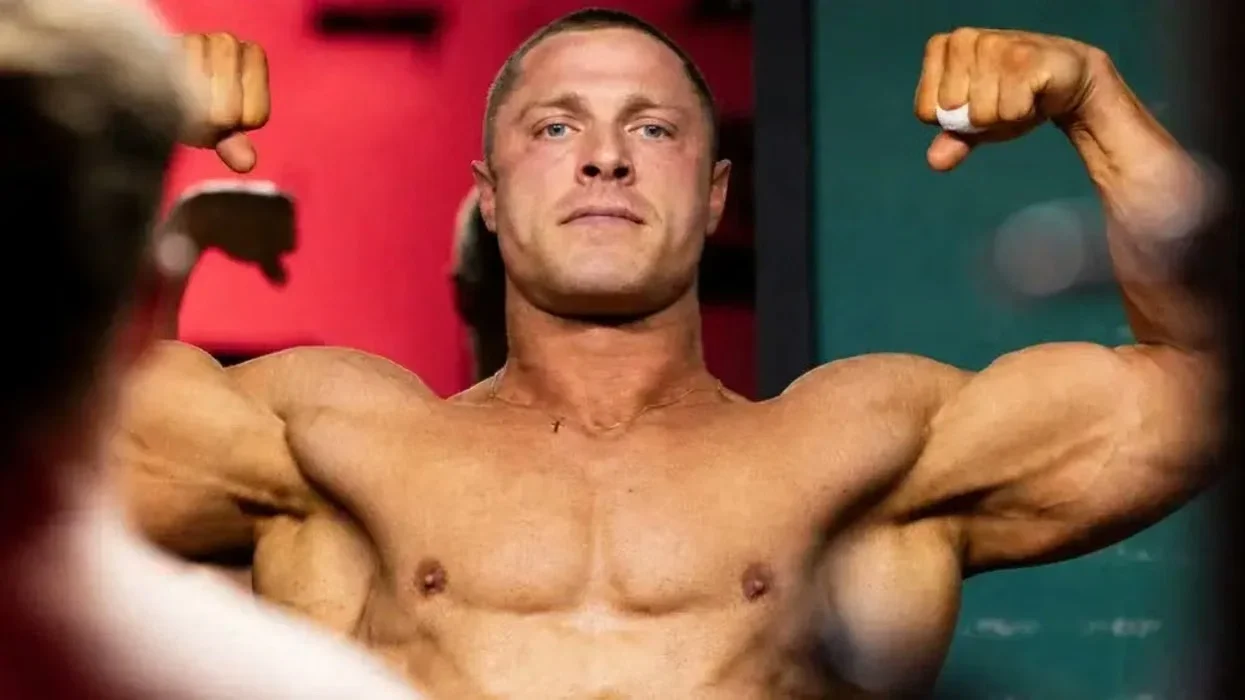
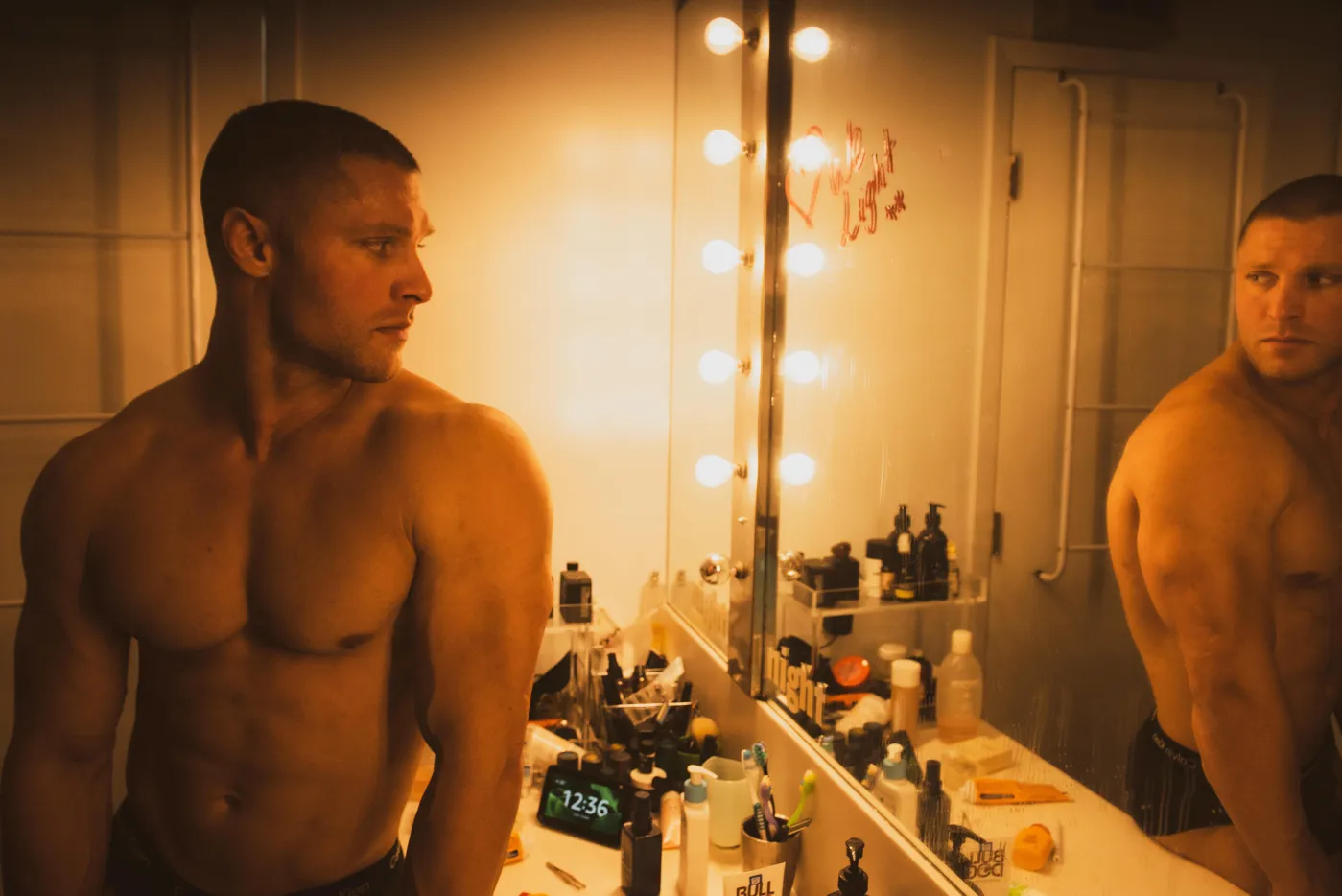
A decade is roughly the span of a serious competitive bodybuilding career, and Yurich trained for this the same way. He wrote the script from his own life in Dover, Ohio, and cast himself as Eddie: a closeted small-town competitor juggling a cam-model side hustle, a devout mother who doubles as his manager, a coach he starts sleeping with, and a drug regimen that eventually includes insulin.
He also admitted he got emotional about it. Introducing the film’s NewFest38 premiere in New York, he choked up. At Outfest in July he handed over the line that belongs on the poster: “Bodybuilding is super gay!”
The Sale, and How It Was Framed
Distributors sell a movie the way a judge scores a physique: by what shows. Dark Star president Michael Repsch called Test “a bold and compelling film that offers a fresh perspective on the traditional sports drama,” praising director Sam McConnell for crafting “a powerful story about identity, ambition and the pressures of living up to expectations.” Then came the closer: “We’re thrilled to bring this film to audiences across the country.”

McConnell, who produced HBO’s The Out List and The Trans List, knows exactly what he made. “Test is a film about finding the strength to be your true self and recognizing your own worth,” he said, adding that Dark Star’s “belief in Test and commitment to a robust theatrical release will allow even more audiences to discover the film as we intended… on the big screen.”
Selling Muscle, Hiding Nothing
The campaign’s smartest move is refusing to pick a lane. The teaser trailer opens on posing and sweat, then pivots to Tammy Blanchard, as Eddie’s mother Joanne, screaming “God doesn’t want this for you” and sobbing into a phone, “My son, he needs an ambulance.” Variety‘s first look leaned on “performance enhancing drugs, substance abuse and violence.”

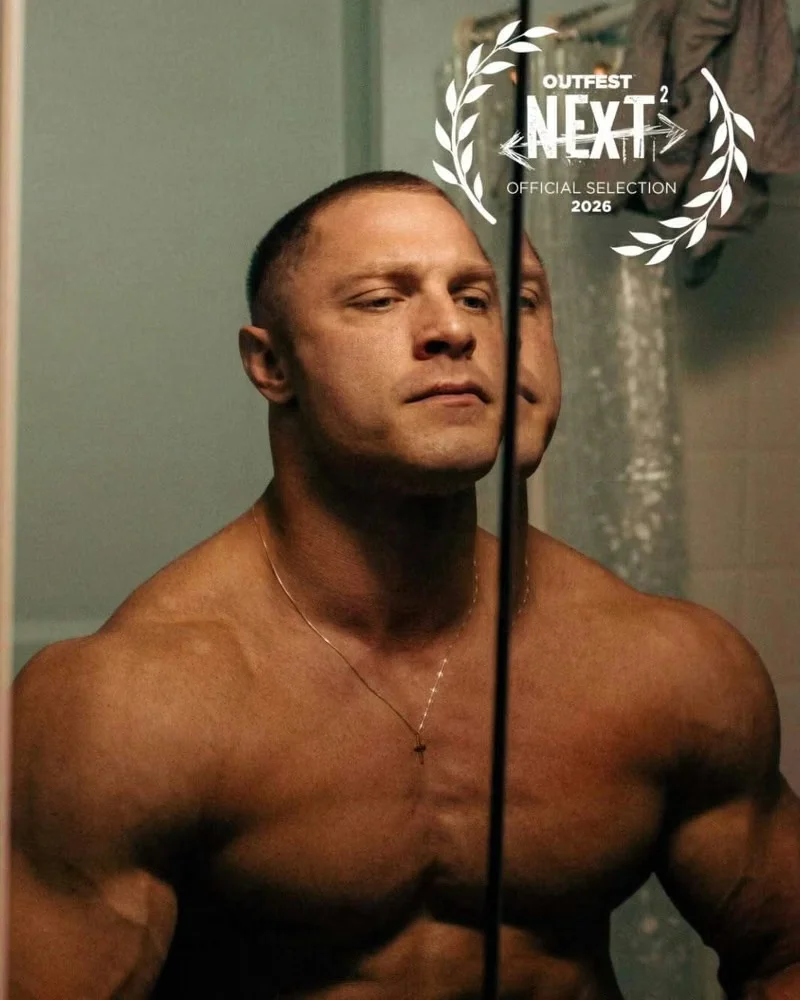
Meanwhile, the festival haul did the prestige work: an Audience Award at Provincetown, a Jury Award for outstanding first narrative feature at Frameline, the Emerging Narrative Feature Award at Queer Screen in Sydney, and the Canal+ Jury Prize at Deauville. The Hollywood Reporter‘s David Rooney summarized the whole thing in six words: “A sensitive probe into the softness under the muscle.”
That is the pitch, essentially. A jock movie with a fragile heart, sold to people who have already seen the jock movie.
The Body as a Business
McConnell has been blunt about the thesis. “His body is really his currency in a way,” he said. “It’s how the world sees him. It’s how he is able to move through life and negotiate different spaces.” Blanchard’s Joanne applies the spray tan; the judges grade it; strangers online pay for it; his coach Mike, played by Mike Edward, wants it.

Yurich built the performance around that contradiction, drawing on the openly queer bodybuilder Bob Paris, whose posing routines, he said, “will make you cry.” The film’s most quietly radical idea is that Eddie doesn’t get freer by getting more masculine. He gets freer by taking ballet from his ex-girlfriend Abby, played by Paloma Garcia-Lee, and letting grace into a hypermasculine room. “The feminine and the masculine are so deeply, beautifully connected,” Yurich said.
Why People Keep Leaning In
There is a reason this one keeps traveling while other festival titles stall. It is specific in a way that reads as true, and Yurich has been candid about the audience he wrote it for. “I wanted to make people feel seen and heard in these small towns who can’t express themselves the way we can in bigger, more diverse, open places,” he said.
McConnell put the thesis even more plainly: “There’s no one way to be a man. There’s no one way to be queer.”

And Yurich, whose feature screenwriting debut this is, landed on the line the marketing should probably just steal outright: “Our bodies are the least interesting thing about us… beauty fades. Your heart and your brain are forever.”
Ten years in the gym, and the man walked out with the one asset that doesn’t deflate. Test hits theaters in 2027. The real test is whether the audience shows up.